Introduction
Chronic Venous Disease in Women is a prevalent health concern that can significantly impact one’s quality of life. This article aims to shed light on the causes and essential care methods for this condition. By understanding the intricacies of this ailment, women can make informed decisions about their health and well-being.
What is Chronic Venous Disease in Women?
Chronic Venous Disease in Women is a medical condition that primarily affects the veins in the legs, leading to poor blood circulation. It can result in various symptoms, including leg swelling, pain, and skin changes.
Exploring the Causes
Understanding the underlying causes of Chronic Venous Disease is crucial for effective management.
Heredity Matters: One of the primary causes of this condition is a genetic predisposition. If you have a family history of venous issues, you might be at a higher risk.
Prolonged Sitting or Standing: Jobs that require prolonged periods of sitting or standing can increase the risk of Chronic Venous Disease. This is common among nurses, teachers, and office workers.
Pregnancy: The hormonal changes and increased pressure on the veins during pregnancy can lead to this condition.
Obesity: Excess weight can place additional pressure on the veins in your legs, making you more susceptible.
Age: As we age, our veins can lose their elasticity, increasing the risk of venous issues.
Symptoms of Chronic Venous Disease
Recognizing the symptoms is the first step in addressing this condition effectively.
Leg Pain: Many individuals with Chronic Venous Disease experience persistent leg pain, especially when walking or standing for extended periods.
Swelling: Swelling in the legs and ankles is a common symptom. It’s important to monitor this as it can worsen over time.
Skin Changes: Over time, the skin in the affected areas may become discolored, dry, or itchy.
Varicose Veins: Visible veins that are enlarged, twisted, and often blue or dark purple can be a sign of this condition.
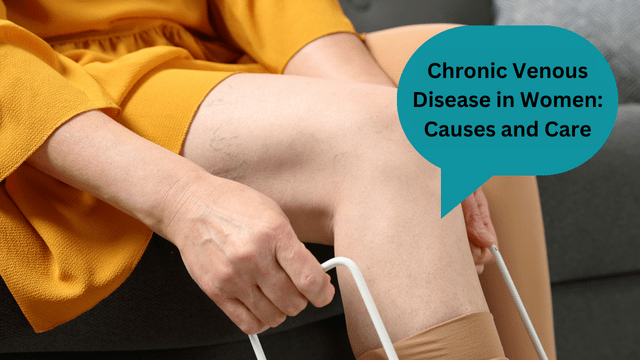
Chronic Venous Disease in Women: Causes and Care
Dealing with Chronic Venous Disease involves a multi-faceted approach to ensure the best outcomes.
Lifestyle Modifications
Stay Active: Regular physical activity can improve blood circulation. Simple exercises like walking or swimming can be beneficial.
Maintain a Healthy Weight: Shedding excess pounds reduces the strain on your veins.
Elevate Your Legs: Elevating your legs can help reduce swelling and alleviate discomfort.
Wear Compression Stockings: These specially designed stockings provide consistent pressure to support your veins.
Medical Interventions
Sclerotherapy: A minimally invasive procedure that involves injecting a solution into the affected veins to close them.
Endovenous Laser Treatment (EVLT): This procedure uses laser energy to seal off problematic veins.
Ambulatory Phlebectomy: Surgical removal of problematic veins, often used for severe cases.
Medications: In some instances, medication may be prescribed to relieve symptoms and improve vein health.
FAQs
Q. Is Chronic Venous Disease preventable?
A. Yes, lifestyle modifications such as maintaining a healthy weight and staying physically active can reduce the risk.
Q. Can I continue working with Chronic Venous Disease?
A. With the right care and management, many individuals can continue working with this condition.
Q. Are there any home remedies for symptom relief?
A. Elevating your legs, wearing compression stockings, and staying hydrated can provide relief.
Q. How is Chronic Venous Disease diagnosed?
A physical examination, ultrasound, and sometimes additional tests are used for diagnosis.
Q. Can men develop Chronic Venous Disease?
A. While women are more commonly affected, men can also develop this condition.
Q. Is Chronic Venous Disease linked to deep vein thrombosis (DVT)?
A. Chronic Venous Disease can increase the risk of DVT, but they are not the same condition.
Conclusion
Chronic Venous Disease in Women: Causes and Care is a comprehensive guide to help you understand the causes and management of this condition. By making informed choices and seeking medical advice when needed, women can lead healthier, more comfortable lives. If you found this article useful, don’t forget to hit the like button!
 healthblog